

Hey there, soccer enthusiasts! As a soccer ball supplier, I've spent countless hours diving deep into the world of these amazing spherical wonders. One question that always pops up is, "Who invented the soccer ball?" Well, let's embark on a journey through time to find out.
The Early Beginnings
Soccer, or football as it's known in many parts of the world, has a history that dates back thousands of years. The ancient civilizations were the first to kick around something that resembled a ball. For instance, the ancient Egyptians played a game with a ball made from stitched-up linen or leather stuffed with papyrus. They used these balls in religious ceremonies and for recreation.
The Greeks and Romans also had their versions of ball games. The Greeks played "episkyros," where a ball was passed between players, and the Romans had "harpastum," a more rough - and - tumble game. Their balls were often made from animal bladders, which were inflated and then covered with leather. These early balls were far from perfect. They were irregular in shape, and their flight paths were unpredictable. But they laid the foundation for what we know as the modern soccer ball.
The Evolution of the Ball
Fast forward to the Middle Ages in Europe. Ball games were becoming increasingly popular, but the balls were still mostly made from animal bladders. These bladders were sourced from pigs, cows, or other livestock. The main problem with these bladders was that they were difficult to inflate evenly, and they would often lose their shape quickly.
It wasn't until the 19th century that things started to change. In 1836, Charles Goodyear patented vulcanized rubber. This new material was much more durable and elastic than leather and animal bladders. The first rubber soccer ball was created around this time. It was a significant improvement over the previous designs. The rubber could be molded into a more spherical shape, and it held its air better.
The Birth of the Modern Soccer Ball
The modern soccer ball as we know it today really started to take shape in the 1860s. In 1862, H.J. Lindon developed a rubber inflatable bladder that was encased in a leather cover. This design was a game - changer. The leather cover provided a better grip for players, and the rubber bladder ensured a more consistent shape and bounce.
The first standard size for a soccer ball was established by the Football Association (FA) in England in 1872. The ball had to be between 27 and 28 inches in circumference. This standardization was crucial for the development of the sport. It allowed for fair play and consistent rules across different teams and competitions.
Over the years, the design of the soccer ball continued to evolve. In the 1970s, the classic 32 - panel design was introduced. This design, with 20 hexagonal and 12 pentagonal panels, became the standard for soccer balls for many years. It provided a good balance between aerodynamics and durability.
Modern Innovations
Today, soccer balls are a far cry from their ancient predecessors. We now have high - tech materials and advanced manufacturing techniques. For example, some of the top - of - the - line soccer balls are made with synthetic materials that are lighter, more water - resistant, and have better aerodynamic properties.
At our company, we offer a wide range of soccer balls to meet the needs of players of all levels. Whether you're a professional athlete training for the World Cup Training Ball or a beginner just starting out, we've got you covered. Our Bright Football Ball is a great option for those who want a ball that stands out on the field. It's made with high - quality materials and has excellent performance characteristics.
The Impact of the Soccer Ball
The soccer ball has had a huge impact on the world. It's not just a piece of sports equipment; it's a symbol of unity, passion, and competition. Soccer is the most popular sport in the world, and the ball is at the heart of it all. It brings people together from different cultures, backgrounds, and ages.
Whether it's a friendly game in the park or a high - stakes World Cup final, the soccer ball is what makes it all possible. It's amazing to think about how this simple spherical object has evolved over thousands of years to become what it is today.

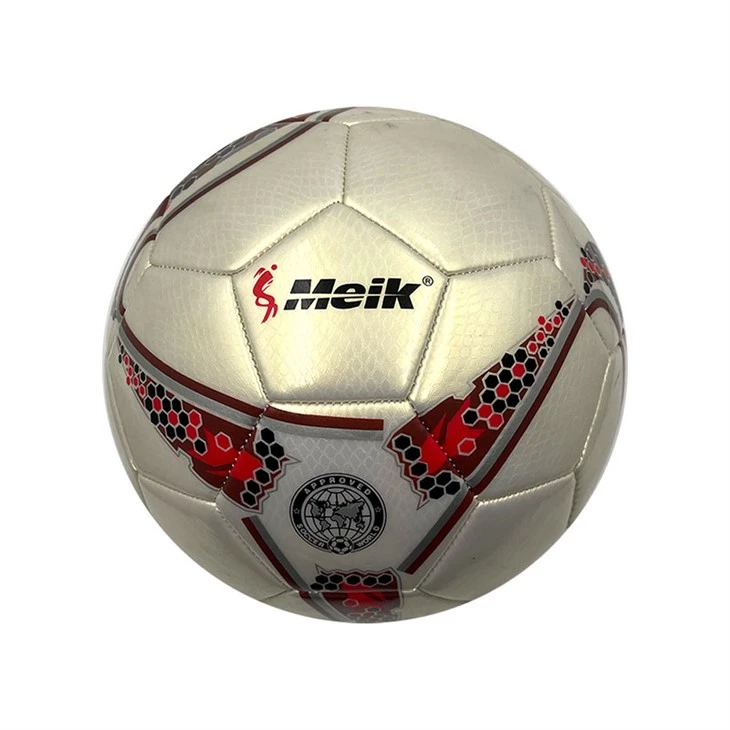
Why Choose Our Soccer Balls
As a soccer ball supplier, we take pride in offering the best products on the market. Our balls are tested rigorously to ensure they meet the highest standards of quality and performance. We work with the latest materials and manufacturing techniques to produce balls that are durable, reliable, and fun to play with.
If you're in the market for a new soccer ball, whether it's for your team, your school, or just for personal use, we'd love to hear from you. We offer competitive prices and excellent customer service. Contact us today to discuss your requirements and start your journey with the perfect soccer ball.
Conclusion
So, who invented the soccer ball? Well, it's not really a one - person job. It's the result of thousands of years of innovation and evolution by different cultures and individuals. From the ancient Egyptians' linen balls to the high - tech synthetic balls of today, the soccer ball has come a long way.
As a soccer ball supplier, we're excited to be a part of this ongoing story. We're constantly looking for ways to improve our products and bring the best soccer balls to players around the world. If you're interested in purchasing our soccer balls or have any questions, don't hesitate to reach out. Let's keep the beautiful game alive and kicking!
References
- "The History of Soccer Balls" by Sports History Journal
- "The Evolution of the Soccer Ball" by National Soccer Museum Publications
- "Soccer: A Global History" by David Goldblatt