

What is the weight of typical youth polo shirts?
As a dedicated supplier of youth polo shirts, I often encounter inquiries about the weight of these trendy garments. The weight of a youth polo shirt is a crucial factor that influences its comfort, durability, and overall performance. In this blog post, I will delve into the typical weight range of youth polo shirts, explore the factors that affect their weight, and discuss the implications of weight on the shirt's quality and functionality.
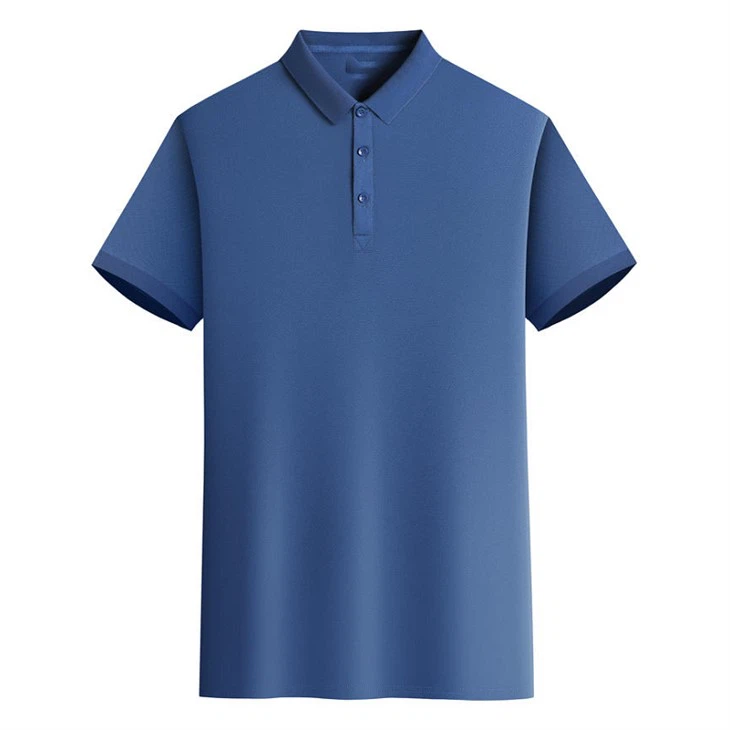
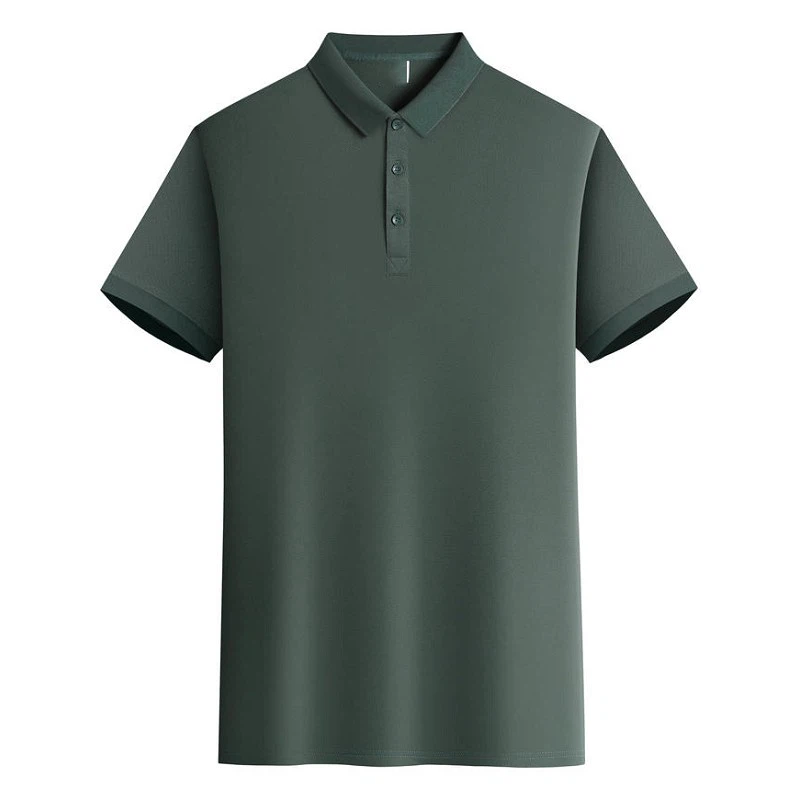
Typical Weight Range
The weight of a youth polo shirt can vary significantly depending on several factors, including the fabric type, construction, and intended use. Generally, youth polo shirts weigh between 4 to 6 ounces per square yard (oz/yd²). However, this range can be broader, with lightweight shirts weighing as little as 3 oz/yd² and heavier ones reaching up to 8 oz/yd².
- Lightweight Polo Shirts (3 - 4 oz/yd²): These shirts are made from thin, breathable fabrics such as cotton or polyester blends. They are ideal for warm weather or activities that require a high level of mobility. Lightweight polo shirts are often used in sports or casual settings, as they provide a comfortable and unrestricted fit. For example, a Polo Tshirts Men made from a lightweight cotton blend would be perfect for a summer game of golf or a day at the beach.
- Medium-Weight Polo Shirts (4 - 6 oz/yd²): This is the most common weight range for youth polo shirts. Medium-weight shirts offer a good balance between comfort and durability. They are suitable for a variety of occasions, from school to casual outings. These shirts are typically made from a blend of cotton and polyester, which provides breathability and wrinkle resistance. A 3x Polo Shirts in this weight range would be a versatile addition to any wardrobe.
- Heavyweight Polo Shirts (6 - 8 oz/yd²): Heavyweight polo shirts are made from thicker, more durable fabrics. They are designed to withstand rough use and provide extra warmth. These shirts are often used in work or outdoor settings, where durability is essential. Heavyweight polo shirts may be made from 100% cotton or a blend with a higher percentage of polyester for added strength. A Most Comfortable Polo Shirts in a heavyweight fabric would be ideal for a construction worker or someone spending long hours outdoors in cooler weather.
Factors Affecting the Weight
Several factors can influence the weight of a youth polo shirt. Understanding these factors can help you choose the right shirt for your needs.
- Fabric Type: The type of fabric used is the most significant factor affecting the weight of a polo shirt. Cotton is a popular choice for polo shirts due to its breathability and comfort. However, different types of cotton can vary in weight. For example, Egyptian cotton is known for its high-quality and relatively heavy weight, while Pima cotton is lighter and more delicate. Polyester is another common fabric used in polo shirts. It is lightweight, wrinkle-resistant, and quick-drying. Blends of cotton and polyester combine the best of both worlds, offering breathability and durability at a reasonable weight.
- Fabric Construction: The way the fabric is constructed also plays a role in the shirt's weight. Knit fabrics are generally lighter than woven fabrics. A jersey knit polo shirt will be lighter than a poplin or twill polo shirt. Additionally, the tightness of the knit or weave can affect the weight. A tighter knit or weave will result in a heavier shirt.
- Additional Features: Some youth polo shirts may have additional features that can add to their weight. For example, shirts with a higher number of buttons, a collar lining, or a reinforced hem will be heavier than a basic polo shirt. Embroidered logos or patches can also add a small amount of weight.
Implications of Weight on Quality and Functionality
The weight of a youth polo shirt can have several implications for its quality and functionality.
- Comfort: The weight of a shirt directly affects its comfort. Lightweight shirts are more breathable and allow for better air circulation, making them more comfortable in warm weather. Heavyweight shirts, on the other hand, may be more comfortable in cooler temperatures as they provide more warmth. However, if a heavyweight shirt is worn in hot weather, it can feel restrictive and uncomfortable.
- Durability: Generally, heavier shirts are more durable than lighter ones. A heavier fabric is less likely to tear or wear out quickly, making it a better choice for activities that involve a lot of movement or rough handling. For example, a heavyweight polo shirt would be more suitable for a child who plays sports or participates in outdoor activities.
- Appearance: The weight of a shirt can also affect its appearance. A heavier shirt may drape better and have a more substantial look and feel. It can give the impression of a higher-quality garment. However, a lightweight shirt may be more suitable for a more casual or sporty look.
Conclusion
In conclusion, the weight of a typical youth polo shirt can vary depending on several factors, including the fabric type, construction, and additional features. Lightweight shirts are ideal for warm weather and activities that require a high level of mobility, while heavyweight shirts are more suitable for cooler temperatures and activities that involve rough handling. Medium-weight shirts offer a good balance between comfort and durability and are suitable for a variety of occasions.
As a youth polo shirt supplier, I understand the importance of choosing the right weight for your needs. Whether you are looking for a lightweight shirt for a summer sport or a heavyweight shirt for a work environment, I can provide you with high-quality youth polo shirts in a range of weights. If you are interested in purchasing youth polo shirts for your business or organization, please feel free to contact me to discuss your specific requirements and to start a procurement negotiation.
References
- Textile Institute. (2023). Handbook of Textile Fibres. Woodhead Publishing.
- ASTM International. (2023). Standard Test Methods for Physical Testing of Textiles. ASTM International.