

As a long - standing soccer ball supplier in the industry, I've witnessed the journey of countless soccer balls from the production line to the pitch. One question that often comes up from our customers, whether they are professional athletes, amateur players, or coaches, is: "What is the lifespan of a soccer ball?" In this blog post, I'll delve into the factors that influence a soccer ball's lifespan and offer some insights based on our experience.
The Manufacturing Quality
The first and perhaps most crucial factor determining the lifespan of a soccer ball is its manufacturing quality. At our company, we understand that the materials used and the production process can make a huge difference. High - quality soccer balls are typically made with durable outer materials such as synthetic leather or high - grade rubber. These materials are designed to withstand the constant impact of being kicked, headed, and thrown.
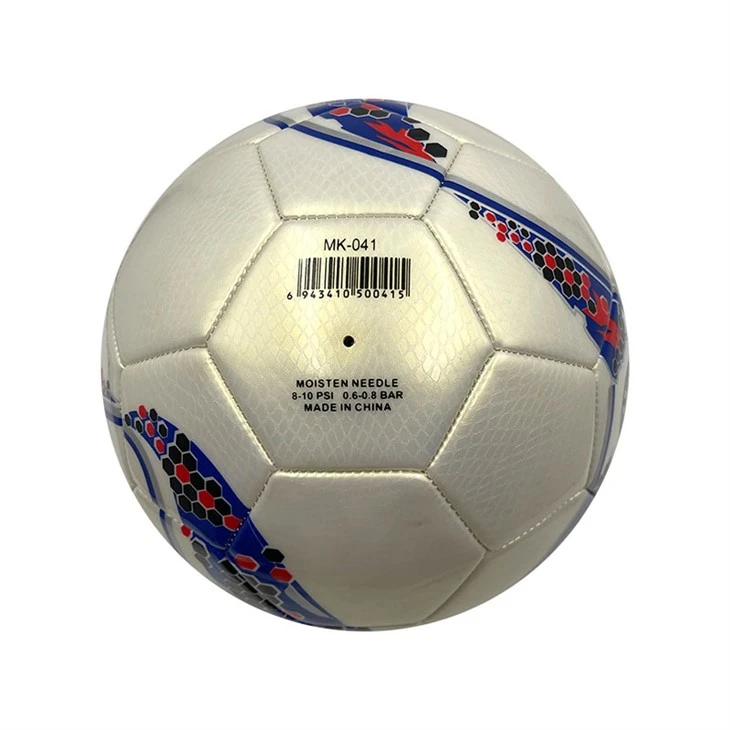

For example, our World Cup Training Ball is crafted with top - notch synthetic leather. This material is not only water - resistant but also highly resistant to abrasion. During the manufacturing process, the panels of the ball are carefully stitched or glued together. A well - stitched or glued ball will hold its shape better over time, preventing the panels from separating. In contrast, a cheaply made ball with low - quality materials and poor stitching may start to show signs of wear and tear after just a few uses. The outer layer might peel off, and the ball could lose its shape, making it difficult to control during play.
Frequency and Intensity of Use
Another significant factor is how often and how intensely the soccer ball is used. Professional soccer teams train and play multiple times a week, subjecting the balls to a high level of stress. In a professional match, a ball can be kicked at speeds of up to 80 miles per hour, and it endures constant impacts with the ground, players' feet, and even the goalposts.
For professional players, a high - quality soccer ball might last anywhere from a few months to a year. However, for amateur players who play casually on weekends, the same ball could last several years. Our Bright Football Ball is a great option for both amateur and professional use. For amateur players, its durability means it can withstand the less intense but still regular weekend games. For professionals, it offers reliable performance during training sessions when the ball doesn't experience the extreme stress of a full - fledged match.
Playing Surface
The type of playing surface also has a major impact on the lifespan of a soccer ball. Playing on a natural grass field is generally less harsh on the ball compared to artificial turf or concrete. Natural grass provides a softer landing for the ball, reducing the impact force when it bounces.
On the other hand, artificial turf can be abrasive. The fibers on the turf can rub against the ball's outer layer, gradually wearing it down. Concrete surfaces are the most damaging. The hard and unforgiving surface can cause the ball to bounce erratically and can quickly damage the outer material. If a ball is frequently used on concrete, its lifespan can be significantly shortened, perhaps lasting only a few weeks or months.
Maintenance and Storage
Proper maintenance and storage can extend the lifespan of a soccer ball. After each use, it's important to clean the ball. A simple wipe with a damp cloth can remove dirt and debris that could potentially damage the outer layer over time. If the ball gets wet, it should be dried thoroughly before storage.
When it comes to storage, the ball should be kept in a cool, dry place. Extreme temperatures can affect the materials of the ball. For example, high heat can cause the air inside the ball to expand, which might lead to the ball losing its shape. Storing the ball at the recommended pressure is also crucial. Over - inflating or under - inflating the ball can put additional stress on the materials and reduce its lifespan.
Signs of a Worn - Out Ball
It's important for players to recognize the signs that a soccer ball is nearing the end of its lifespan. One of the most obvious signs is a change in the ball's shape. If the ball starts to become misshapen, it will not roll or bounce evenly, making it difficult to play with. Another sign is a loss of air retention. If the ball constantly needs to be re - inflated, it could mean that there are small holes or leaks in the bladder.
The outer layer of the ball can also show signs of wear. Cracks, peeling, or excessive scuffing are all indications that the ball is no longer in optimal condition. When these signs appear, it's usually time to replace the ball to ensure a good playing experience.
Extending the Lifespan: Tips and Tricks
To get the most out of your soccer ball, here are some additional tips. Rotate the ball during use. If you always kick the ball in the same spot, that area will wear out faster. By rotating the ball, you distribute the wear more evenly. Also, avoid using the ball for activities it's not designed for. For example, don't use a soccer ball for rugby - style play, as the different rules and contact can cause unnecessary damage.
Our Commitment as a Supplier
As a soccer ball supplier, we are committed to providing high - quality products that offer a long lifespan. We continuously research and develop new materials and manufacturing techniques to improve the durability of our balls. We also offer customer support to help our clients choose the right ball for their needs and provide advice on maintenance.
If you're in the market for a new soccer ball, whether you're a professional player, a weekend warrior, or a coach looking to equip your team, we have a wide range of options to suit your requirements. Our World Cup Training Ball and Bright Football Ball are just two examples of our high - quality products.
Let's Connect
If you have any questions about the lifespan of our soccer balls, or if you're interested in placing an order, we'd love to hear from you. Feel free to reach out to us for more information and to start a procurement discussion. We're here to help you find the perfect soccer ball that will last through many games and training sessions.
References
- "Soccer Ball Technology and Performance" - Journal of Sports Equipment Research
- "The Impact of Playing Surfaces on Sports Equipment Durability" - Sports Science Quarterly