

When it comes to the world of golf, the right apparel can significantly enhance both performance and style. Designer golf shirts are not just about looking good on the green; they are also engineered with specific fabric textures to meet the unique demands of the sport. As a supplier of designer golf shirts, I am excited to delve into the various fabric textures that make these shirts stand out.
Cotton: The Classic Choice
Cotton is perhaps the most well - known and widely used fabric in the world of clothing, and designer golf shirts are no exception. Pure cotton shirts offer a soft and comfortable feel against the skin. The natural fibers are breathable, allowing air to circulate and keeping the wearer cool during long hours on the golf course.
One of the key advantages of cotton is its absorbency. It can soak up sweat, preventing it from clinging to the body and making the player feel uncomfortable. However, cotton does have its drawbacks. It may take longer to dry once wet, which can be a problem in humid conditions or if the player perspires heavily.
Many designer golf shirts use a blend of cotton with other fibers to overcome these limitations. For example, a cotton - polyester blend combines the comfort of cotton with the quick - drying properties of polyester. This type of blend is often used in Polo Tshirts Men, offering a balance between softness and functionality.
Polyester: The Performance - Oriented Fabric
Polyester has become a staple in sportswear, including designer golf shirts. This synthetic fabric is known for its durability and resistance to wrinkles. It is also highly moisture - wicking, which means it can quickly draw sweat away from the body and onto the surface of the fabric, where it can evaporate more easily.
The texture of polyester can vary depending on the manufacturing process. Some polyester fabrics have a smooth, almost silky feel, while others may be more textured. The smooth - textured polyester is often used in high - end designer golf shirts as it gives a sleek and modern look.
In addition to its moisture - wicking properties, polyester is also lightweight, which is ideal for golfers who need to move freely during their swing. It is also resistant to stretching and shrinking, ensuring that the shirt retains its shape even after multiple washes. Many Wicking Polo Shirts are made primarily of polyester, providing golfers with a high - performance option.
Rayon: The Breathable Alternative
Rayon is a semi - synthetic fiber made from wood pulp. It has a soft, smooth texture that is similar to silk, giving designer golf shirts a luxurious feel. Rayon is highly breathable and absorbent, making it comfortable to wear in warm weather.
One of the unique features of rayon is its ability to drape well. This means that the shirt will hang nicely on the body, enhancing the golfer's appearance. However, rayon does have some limitations. It can be prone to wrinkling and may shrink if not washed properly.

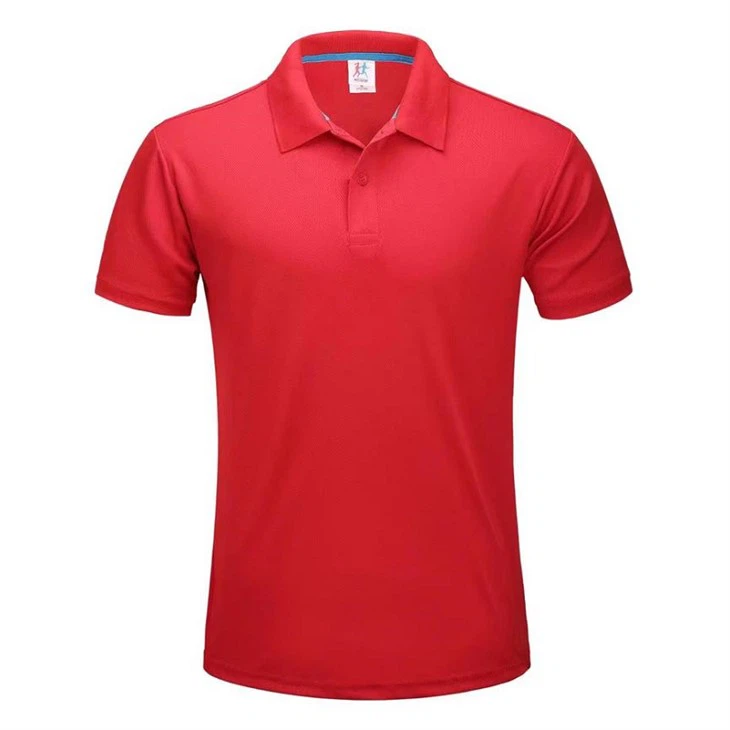
To address these issues, rayon is often blended with other fibers such as polyester or spandex. A rayon - polyester blend combines the breathability of rayon with the durability and quick - drying properties of polyester. This type of blend is commonly used in designer golf shirts to provide a comfortable and stylish option for golfers.
Spandex: The Stretch Factor
Spandex, also known as Lycra, is a synthetic fiber that is known for its exceptional stretch and recovery properties. While it is not typically used as the primary fabric in designer golf shirts, it is often added in small amounts to other fabrics such as cotton, polyester, or rayon.
The addition of spandex gives the shirt more flexibility, allowing the golfer to move freely during their swing. It ensures that the shirt will not restrict movement, whether the player is reaching for a long drive or making a delicate putt. The stretchy nature of spandex also helps the shirt to fit snugly without feeling tight, providing a comfortable and flattering fit.
For example, a cotton - spandex blend in a Designer Golf Shirts will offer the softness of cotton along with the stretch and flexibility of spandex. This combination is popular among golfers who value both comfort and performance.
Microfiber: The High - Tech Solution
Microfiber is a relatively new type of fabric that has gained popularity in the world of sportswear. It is made from extremely fine synthetic fibers, which are much thinner than human hair. The fine fibers create a dense and smooth texture that is both soft and durable.
Microfiber has excellent moisture - wicking properties, even better than some traditional polyester fabrics. It can quickly absorb and transfer sweat away from the body, keeping the golfer dry and comfortable. It is also lightweight and breathable, making it ideal for golfers who play in hot and humid conditions.
In addition to its performance benefits, microfiber is also easy to care for. It is resistant to wrinkles and stains, and it dries quickly. Many high - end designer golf shirts are now using microfiber technology to provide golfers with a high - tech and stylish option.
Conclusion
The fabric texture of designer golf shirts plays a crucial role in both performance and style. Whether it's the classic comfort of cotton, the performance - oriented properties of polyester, the luxurious feel of rayon, the stretch factor of spandex, or the high - tech solution of microfiber, each fabric has its own unique characteristics.
As a supplier of designer golf shirts, we understand the importance of choosing the right fabric texture to meet the needs of our customers. We offer a wide range of shirts made from different fabric blends, ensuring that golfers can find the perfect shirt for their game.
If you are interested in purchasing designer golf shirts for your golf club, team, or personal use, we invite you to contact us for a procurement discussion. We can provide you with detailed information about our products, pricing, and customization options. Let us help you find the ideal golf shirts that combine style, comfort, and performance.
References
- "Sportswear Fabrics: A Comprehensive Guide" by Textile Institute
- "The Science of Clothing Materials" by John Wiley & Sons
- Industry reports from leading sportswear manufacturers and research institutions