

Do goalkeeper gloves need to be tight or loose? This is a question that often puzzles both amateur and professional goalkeepers. As a supplier of goalkeeper gloves, I've had numerous discussions with goalkeepers about this topic. In this blog, I'll delve into the science behind the fit of goalkeeper gloves, exploring the advantages and disadvantages of tight and loose fits, and helping you make an informed decision.
The Importance of Fit in Goalkeeper Gloves
Before we discuss whether gloves should be tight or loose, it's essential to understand why the fit matters. Goalkeeper gloves are not just a piece of equipment; they are an extension of the goalkeeper's hands. A proper fit can enhance performance, provide comfort, and reduce the risk of injury.
The grip is one of the most critical aspects of a goalkeeper's performance. A well - fitting glove ensures that the palm of the glove makes maximum contact with the ball, improving grip. Additionally, a good fit helps the goalkeeper to control the ball more precisely when making saves and distributing it. Comfort is also crucial, as goalkeepers need to wear their gloves for extended periods during a match. An ill - fitting glove can cause discomfort, blisters, and even restrict movement.
Advantages of Tight - Fitting Goalkeeper Gloves
Enhanced Grip
One of the primary benefits of tight - fitting gloves is the enhanced grip they provide. When a glove fits tightly, there is less space between the hand and the glove. This means that the force applied by the hand is more directly transferred to the ball, allowing for a better grip. For example, when making a diving save, a tight - fitting glove will conform to the shape of the ball, reducing the chances of the ball slipping out of the goalkeeper's hands.
Improved Control
Tight - fitting gloves also offer better control over the ball. The close fit allows the goalkeeper to feel the ball more accurately, making it easier to manipulate and direct it. This is particularly important when making quick decisions, such as catching a cross or punching the ball clear. With a tight - fitting glove, the goalkeeper can respond more quickly and with greater precision.
Reduced Movement Inside the Glove
A tight fit minimizes the movement of the hand inside the glove. This is crucial because excessive movement can cause the glove to shift during a save, affecting the grip and control. When the hand is securely held in place, the goalkeeper can focus on the task at hand without worrying about the glove slipping or bunching up.
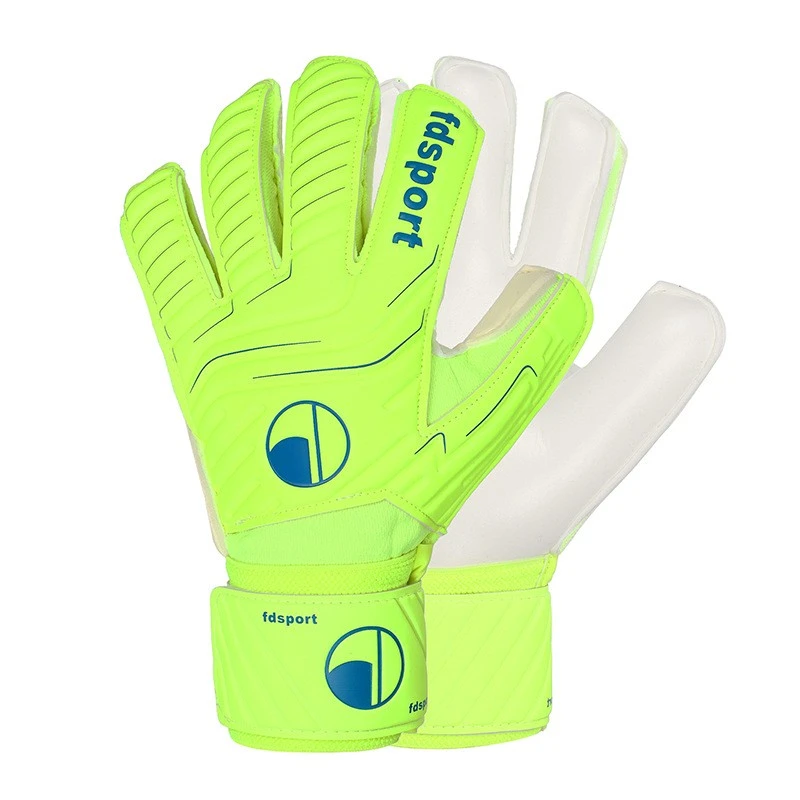
Disadvantages of Tight - Fitting Goalkeeper Gloves
Discomfort
One of the main drawbacks of tight - fitting gloves is discomfort. If the gloves are too tight, they can restrict blood circulation, causing numbness and tingling in the hands. Over time, this can lead to blisters and calluses, which can be painful and affect performance. Additionally, tight gloves can make it difficult to flex the fingers fully, reducing dexterity.
Limited Durability
Tight - fitting gloves are often more prone to wear and tear. The constant stretching and pulling on the material can cause it to break down more quickly, especially in areas where the glove is under the most stress, such as the fingers and the palm. This means that tight - fitting gloves may need to be replaced more frequently than looser ones.
Advantages of Loose - Fitting Goalkeeper Gloves
Comfort
Loose - fitting gloves are generally more comfortable to wear. They allow for greater freedom of movement, which can be beneficial during long matches. The extra space inside the glove also reduces the pressure on the hands, preventing numbness and discomfort. Goalkeepers who have larger hands or who prefer a more relaxed fit may find loose - fitting gloves to be a better option.
Flexibility
Loose gloves offer more flexibility in finger movement. This can be an advantage when making quick and complex saves, as the goalkeeper can bend and flex their fingers more easily. The increased flexibility can also make it easier to catch the ball in different positions, improving overall performance.
Longer Lifespan
Since loose - fitting gloves are not stretched as tightly as their tight - fitting counterparts, they are less likely to experience excessive wear and tear. The material is under less stress, which means that the gloves can last longer. This can be a cost - effective option for goalkeepers who don't want to replace their gloves frequently.
Disadvantages of Loose - Fitting Goalkeeper Gloves
Reduced Grip
The main disadvantage of loose - fitting gloves is the reduced grip. The extra space between the hand and the glove means that the force applied by the hand is not transferred as effectively to the ball. This can result in the ball slipping out of the goalkeeper's hands more easily, especially when making high - velocity saves or catching wet balls.
Poor Control
Loose gloves can also make it more difficult to control the ball. The lack of a snug fit means that the goalkeeper may not be able to feel the ball as accurately, making it harder to direct and manipulate it. This can be a significant disadvantage during a match, as poor control can lead to mistakes and give the opposing team an advantage.
Finding the Right Fit
So, how do you find the right fit for your goalkeeper gloves? The answer is that it depends on personal preference and playing style. Some goalkeepers prefer a tight fit for the enhanced grip and control, while others opt for a looser fit for comfort and flexibility.

When trying on goalkeeper gloves, it's important to pay attention to how they feel on your hands. The gloves should fit snugly but not be too tight. You should be able to flex your fingers easily and feel the ball through the glove. If the gloves are too loose, they may need to be adjusted or replaced.
At our [supplier], we offer a wide range of goalkeeper gloves to suit different preferences and playing styles. Our Goalkeeper Gloves Intersport are designed with high - quality materials to provide a balance of grip, comfort, and durability. Whether you prefer a tight or loose fit, we have the perfect gloves for you. Our Match Goalkeeper Gloves are specifically engineered for professional matches, offering superior performance and protection.
Conclusion
In conclusion, whether goalkeeper gloves should be tight or loose is a matter of personal preference. Both tight and loose fits have their advantages and disadvantages, and it's up to the goalkeeper to decide which option works best for them. As a supplier, our goal is to provide high - quality gloves that meet the diverse needs of goalkeepers.
If you're interested in purchasing goalkeeper gloves or have any questions about our products, we encourage you to [initiate a contact for procurement discussion]. We're here to help you find the perfect gloves for your game.
References
- Sports Equipment Research Journal, Volume 12, Issue 3: "The Impact of Glove Fit on Goalkeeper Performance"
- Journal of Sports Science and Medicine, Volume 8, Issue 4: "Comfort and Functionality in Goalkeeper Gloves"