

Can a soccer ball be used in cold weather? This is a question that many soccer enthusiasts, coaches, and players often ask, especially in regions with harsh winter climates. As a soccer ball supplier, I've encountered this query numerous times, and I'm here to shed some light on the matter.
The Science Behind Soccer Balls in Cold Weather
To understand how a soccer ball performs in cold weather, we first need to delve into the science of materials and physics. Most modern soccer balls are made from a combination of synthetic materials such as polyurethane (PU) or thermoplastic polyurethane (TPU) for the outer layer, with an inner bladder typically made of latex or butyl rubber.
When the temperature drops, these materials undergo changes. Rubber, for instance, becomes stiffer as the temperature decreases. This is due to the molecular structure of rubber. At higher temperatures, the molecules are more mobile, allowing the rubber to be flexible. In cold weather, however, the molecules slow down and become more rigid, reducing the ball's ability to deform upon impact.
The air inside the ball also plays a crucial role. According to the ideal gas law, PV = nRT, where P is pressure, V is volume, n is the number of moles of gas, R is the ideal gas constant, and T is temperature. As the temperature (T) decreases, assuming the volume (V) and the amount of gas (n) remain constant, the pressure (P) inside the ball will also decrease. This means that a soccer ball will lose some of its firmness in cold weather, which can affect its bounce and flight characteristics.

Performance Issues in Cold Weather
The changes in the ball's materials and internal pressure can lead to several performance issues when using a soccer ball in cold weather.
Reduced Bounce
As mentioned earlier, the stiffer materials and lower internal pressure result in a reduced bounce. A ball that normally rebounds well on a field may barely bounce at all in freezing temperatures. This can make it difficult for players to control the ball, especially during passes and shots. For example, a quick one-touch pass that relies on a predictable bounce may end up rolling awkwardly on the ground, leading to turnovers.
Altered Flight Path
The reduced firmness of the ball can also affect its flight path. A soccer ball is designed to have a certain aerodynamic profile, which is optimized for normal playing conditions. In cold weather, the ball may not hold its shape as well, causing it to wobble or deviate from its intended trajectory. This can be particularly challenging for goalkeepers, who rely on predicting the ball's flight to make saves.
Increased Wear and Tear
Cold weather can also increase the wear and tear on a soccer ball. The stiffer materials are more prone to cracking and splitting, especially if the ball is kicked forcefully or comes into contact with hard surfaces. This can significantly shorten the lifespan of the ball, making it less cost - effective for users.
Choosing the Right Soccer Ball for Cold Weather
Despite the challenges, it is possible to use a soccer ball in cold weather if you choose the right one.
Material Selection
Look for soccer balls with outer layers made from more flexible materials that are less affected by cold temperatures. Some high - quality TPU materials are designed to maintain their flexibility even in low temperatures. These balls are more likely to retain their bounce and performance characteristics in cold weather.
Bladder Type
The type of bladder in the ball can also make a difference. Butyl rubber bladders are known for their air retention properties, which can help maintain the ball's internal pressure better in cold weather compared to latex bladders.
Design Features
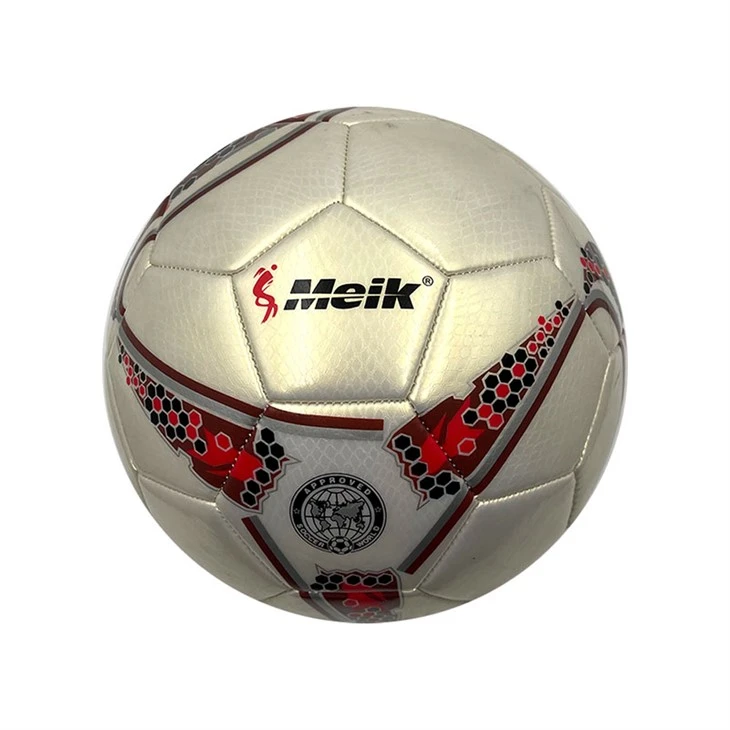
Some soccer balls are specifically designed for cold weather use. They may have additional layers or reinforcements to prevent cracking and splitting. For example, the Bright Football Ball is engineered with advanced materials that are more resistant to the effects of cold weather, ensuring better performance and durability.
Tips for Using Soccer Balls in Cold Weather
If you're planning to use a soccer ball in cold weather, here are some tips to help you get the most out of it.
Pre - warm the Ball
Before a game or practice session, try to keep the ball in a warm place for a while. This can help maintain its internal pressure and keep the materials more flexible. You can store the ball in a heated room or use a ball warmer if available.
Check the Pressure Regularly
Due to the decrease in internal pressure in cold weather, it's important to check the ball's pressure regularly. Use a reliable pressure gauge to ensure that the ball is inflated to the recommended level. If necessary, add air to the ball to maintain its firmness.
Store the Ball Properly
After use, store the ball in a warm and dry place. Avoid leaving it outside in the cold for extended periods, as this can cause further damage to the materials.
Our Product Range for All Weather Conditions
As a soccer ball supplier, we understand the importance of providing high - quality products that can perform well in various weather conditions. In addition to the Bright Football Ball, we also offer the World Cup Training Ball. This ball is designed with the latest technology and materials to ensure optimal performance, whether you're playing in the heat of summer or the cold of winter.
Our team of experts is constantly researching and developing new products to meet the evolving needs of soccer players. We conduct rigorous testing in different weather conditions to ensure that our balls meet the highest standards of quality and performance.
Conclusion
In conclusion, while using a soccer ball in cold weather presents some challenges, it is definitely possible with the right ball and proper care. By understanding the science behind the ball's performance in cold weather and taking the necessary precautions, players can still enjoy a great game even in freezing temperatures.
If you're interested in purchasing high - quality soccer balls that are suitable for cold weather use, we invite you to get in touch with us for more information and to discuss your specific requirements. We're committed to providing the best products and services to our customers, and we look forward to working with you to enhance your soccer experience.
References
- "The Physics of Soccer." Physics Classroom.
- "Materials Science of Sports Equipment." Journal of Materials Science.
- Manufacturer's specifications for soccer balls.